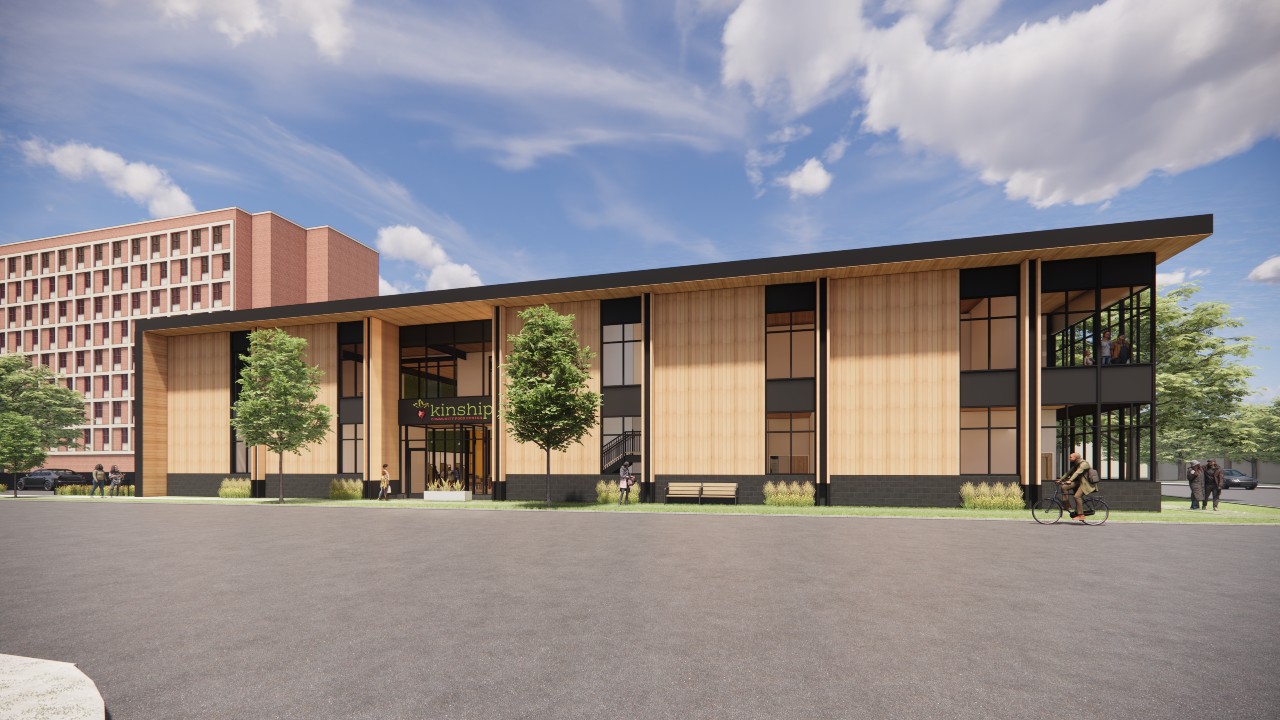
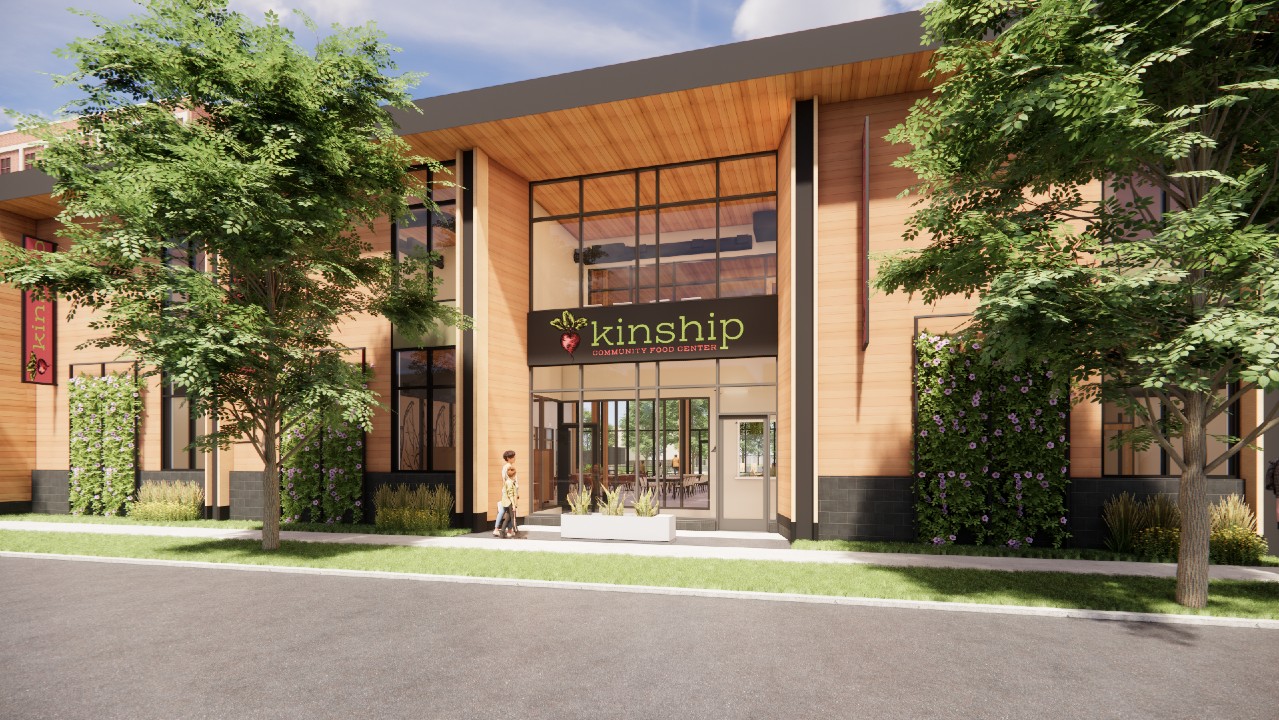
Kinship Community Food Center kicked off construction Wednesday on a new 28,000-square-foot facility in Milwaukee’s Harambee neighborhood as the nonprofit enters the public phase of an $18 million capital campaign aimed at expanding food access, workforce development and wraparound support services for its customers.
The organization, formerly known as Riverwest Food Pantry, has already raised more than 86% of its fundraising goal through private donations and New Markets Tax Credits, leaving about $2.5 million to be raised.
The project, which was unveiled in 2024, represents the culmination of nearly a decade of planning for Kinship, which has outgrown the basement space it has occupied since its founding in 1979.
“We’ve become constrained by the size of our borrowed space,” Kinship president and CEO Vincent Noth said. “This is ultimately not about a building. It’s about a model and a different way to think about food as a means to build community.”
To be located at the southwest corner of North Holton and West Locust streets, the future Community Food Center is designed to double the number of days Kinship can operate while expanding crisis services, workforce training and community programming under one roof.
Kinship has evolved significantly since Noth helped transition the organization into an independent nonprofit about 14 years ago.
Rather than viewing food assistance as the end goal, the organization has built its model around using food as an “entry point” for broader support services, including housing assistance, employment training, mental health resources and mentoring.
“If you have hunger in a neighborhood, people are coming to one place with high frequency,” Noth said. “Instead of food being the endpoint — ‘here’s a bag of groceries’ — what if food became the entry point?”
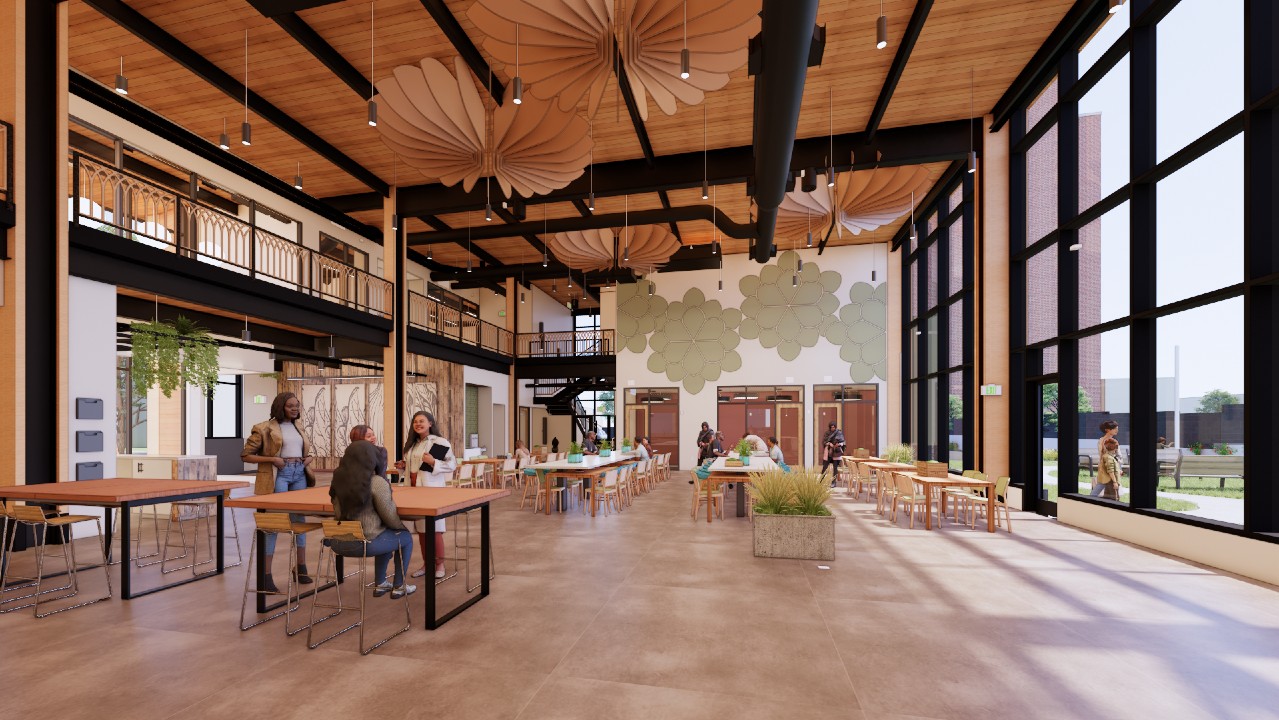
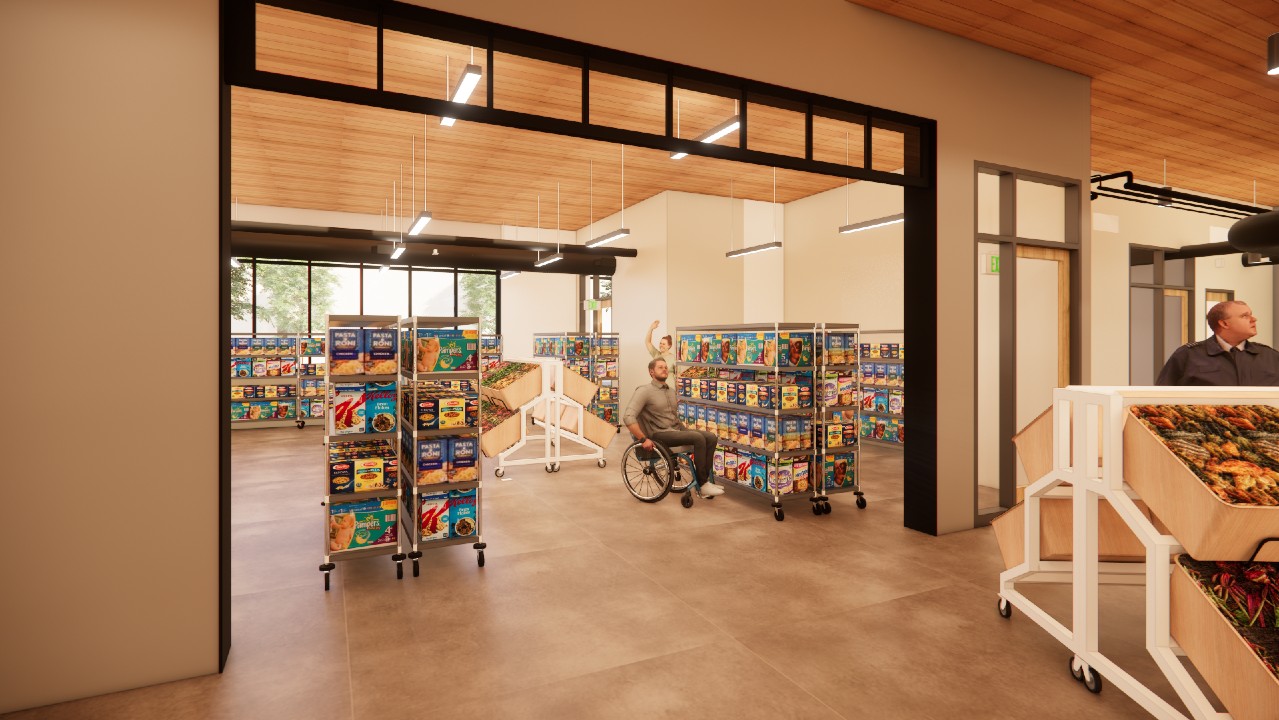
The expanded facility will include a larger free food market, a commercial production kitchen, greenhouse, community gathering spaces, private consultation rooms and offices for partner organizations providing health, education and behavioral health services.
The goal, Noth said, is to create what he describes as a “social ecosystem” where residents can access multiple services during a single visit.
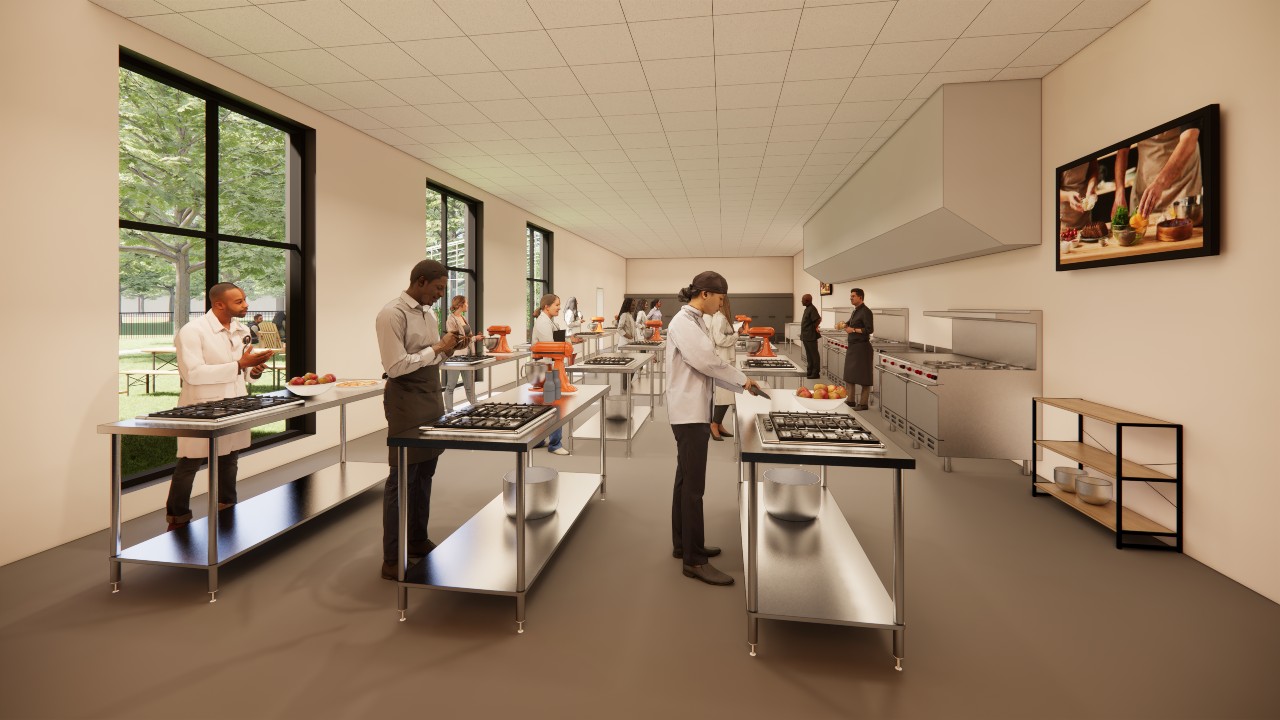
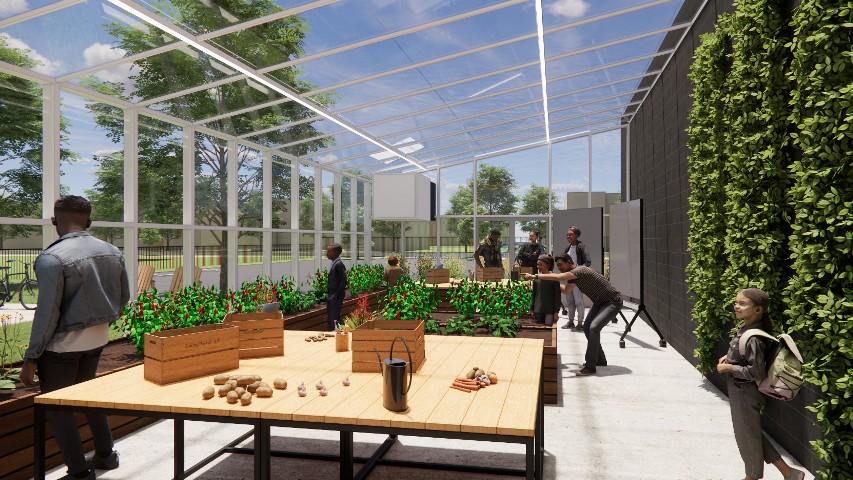
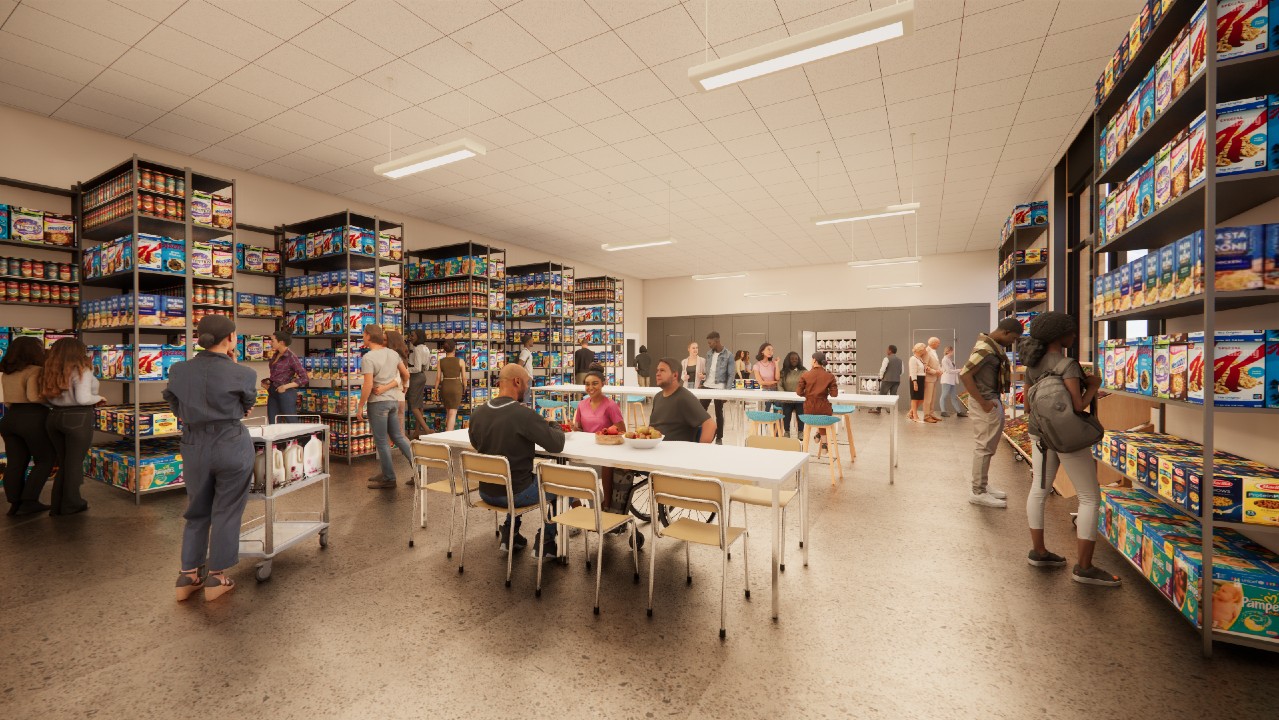
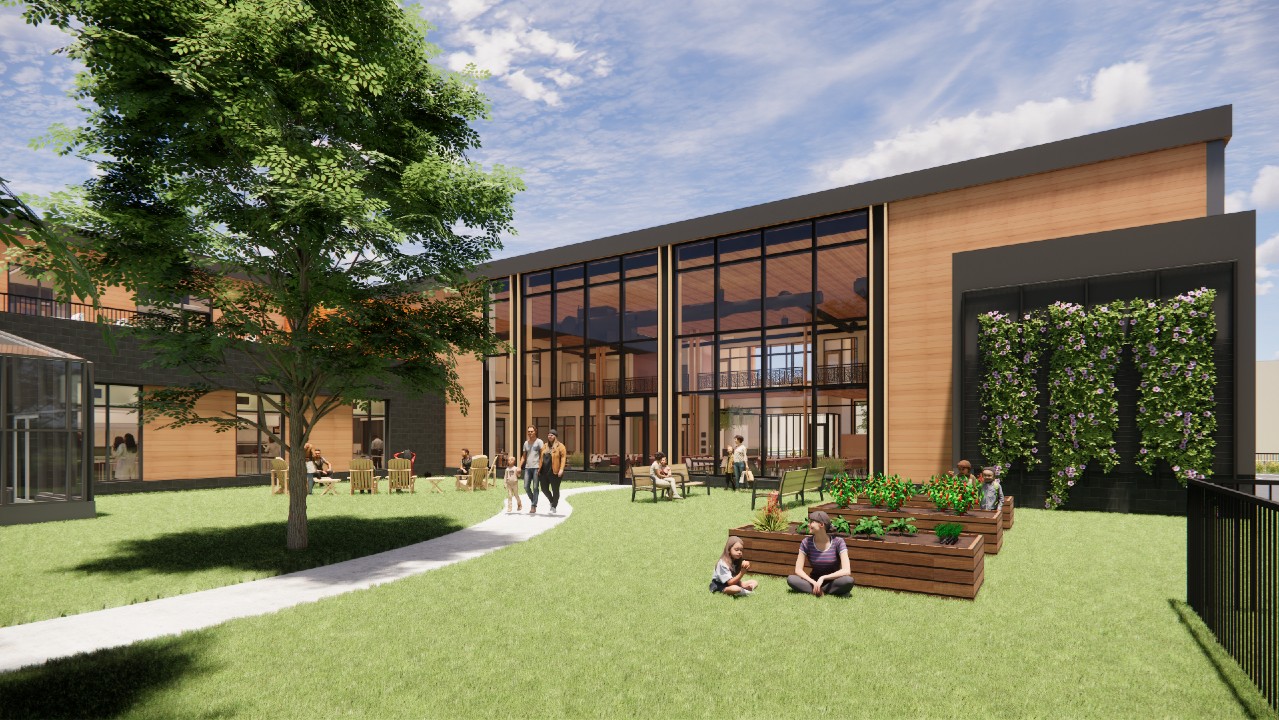
Beyond food distribution, one of the organization’s fastest-growing initiatives is its culinary workforce training program.
The program employs individuals facing significant barriers to employment, including people experiencing homelessness, those leaving incarceration and individuals recovering from substance use disorders or mental health challenges.
Unlike traditional job training programs, roughly one-third of participants’ paid time is dedicated to coaching, therapy, financial literacy, recovery support and career planning.
“It’s a train-on-the-clock and heal-on-the-clock program,” Noth said. “It’s about addressing the root causes that prevent long-term employment.”
The larger facility will allow Kinship to expand its existing Kinship Café operation while launching catering and event food businesses that create additional paid training opportunities.
Over the next five years, the organization projects hiring 80 trainees while providing approximately 140,000 hours of workforce development and support services.
Kinship currently serves more than 19,000 shoppers annually, many from households earning less than $1,300 per month. According to Noth, affordability, particularly housing costs, has become the defining challenge facing many families.
“Half of the folks shopping with us are paying half of their monthly income on rent,” he said. “About a quarter are paying up to 70% of their income on housing.”
While federal benefit changes and inflation have contributed to fluctuations in demand over recent years, Noth said the broader affordability crisis has remained constant.
The organization expects the new facility to significantly increase its capacity over the next five years, projecting:
- More than 110,000 visits to its free food market.
- Distribution of 2.8 million pounds of food valued at more than $5 million.
- A 50% increase in households receiving crisis stabilization services.
- Assistance preventing eviction or homelessness for approximately 500 households.
Much of the campaign’s early fundraising has come from individual philanthropists, Noth said, with foundations and corporations also contributing. Honorary campaign co-chair Nan Gardetto said the investment reflects confidence in Kinship’s long-term approach to addressing poverty.
“At some point you have to stake a flag in the ground and show people what’s possible,” Gardetto said. “A dedicated location demonstrates that this work is important and that this community matters.”
Greg Wesley, president and CEO of the Greater Milwaukee Foundation, said the organization’s workforce initiatives align with broader efforts to expand economic opportunity.
“Kinship’s workforce training program is helping participants climb the economic ladder through a holistic approach that supports their well-being,” Wesley said.
Construction will allow Kinship to continue operating from its current location throughout the building process.
“We’re putting a flag in the ground for a different way of doing this work,” Noth said. “The building simply gives us the capacity to match the size of the mission.”